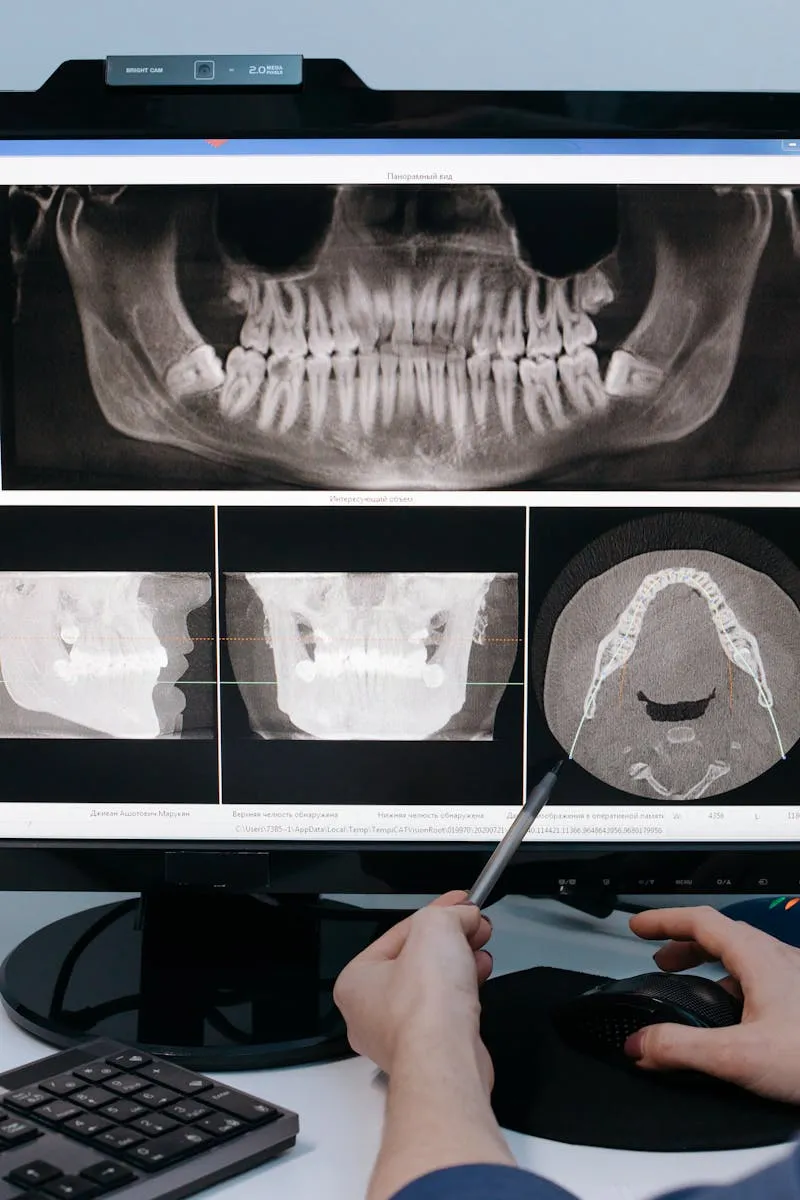
Regular checkups catch failing fillings early. Photo: Pexels
How long do fillings actually last?
Silver amalgam fillings typically survive 10 to 15 years. Composite (tooth-colored) fillings run 5 to 10 years on average, sometimes longer depending on where they are and how heavy your bite force is. The ones on your back molars — the teeth that do the real grinding work — wear out fastest.
Dr. Hoang checks every filling at every visit. Not with a glance. He uses an explorer tool to probe the edges, looking for gaps where the seal between filling and tooth has broken down. Those gaps are invisible to you. They are not invisible to bacteria.
Five signs your filling needs attention
First: sensitivity that was not there before. Hot coffee hits different when a filling starts to fail, because liquid is seeping into the gap between the old material and your tooth. Second: a rough edge you can feel with your tongue. That is not your imagination — the filling material is chipping or the tooth around it is cracking. Third: visible dark lines around the filling. Those dark borders mean bacteria have been camping there, and decay is setting in underneath.
Fourth: the filling is physically loose. You can feel it shift when you chew on that side. And fifth — the one nobody wants: pain when you bite down hard. That usually means the tooth structure around the filling has weakened, and a crack may be forming deeper than you can see.
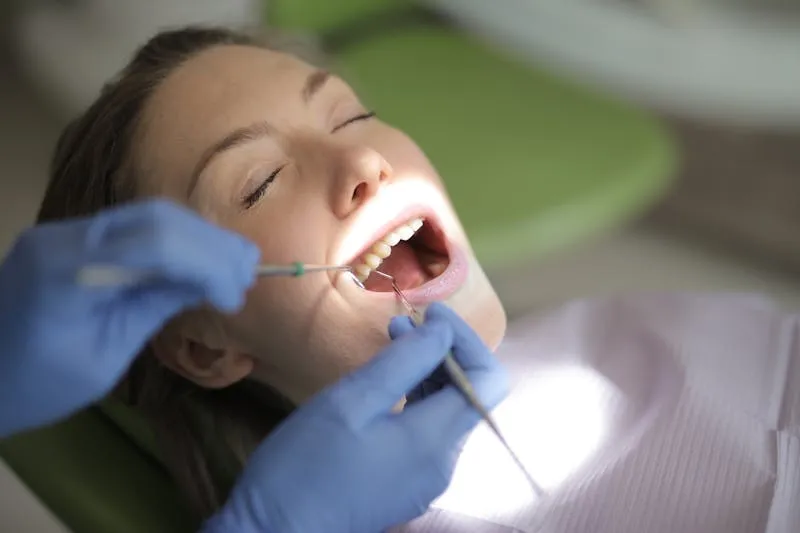
Modern dental instruments make filling replacement quick and precise. Photo: Pexels
What happens if you wait too long
A failing filling is a ticking clock. Bacteria enter the gap, decay spreads underneath, and what was a simple filling replacement turns into a root canal — or worse, an extraction. We have had patients come in saying "it didn't hurt that bad" and then Dr. Hoang peels off the old filling to find a crater. The decay was eating through the tooth from the inside while the filling was acting as a lid, hiding the damage.
Irene at our front desk will tell you: the patients who come in for regular six-month checkups spend less money in the long run. Catching a failing filling early means a 30-minute replacement. Catching it late means a crown, a root canal, or both.
Same-day replacement with CEREC
If a filling has failed badly enough that what is left of the tooth needs a crown, we do not send you home with a temporary and schedule a second visit two weeks out. Our office uses CEREC technology — a digital scanner takes a 3D image of your tooth, designs the crown on screen, and mills it from a ceramic block right here in the office. Start to finish, same appointment. The crown matches your natural tooth color exactly. Dr. Hoang adjusts the fit by hand afterward, shaving off microns until your bite feels perfect.
Patients who remember the old two-visit process with putty impressions and plastic temporaries are always surprised. "That's it?" Yes. That is it.
A healthy smile starts with catching problems early. Photo: Pexels
How to make your fillings last longer
Do not chew ice. Do not use your teeth to open packages. Do not skip your six-month checkups — this is where we catch the early signs. Use a fluoride toothpaste, floss daily, and if you grind your teeth at night, get a night guard. Grinding puts enormous pressure on fillings and dramatically shortens their lifespan.
If it has been more than a year since your last checkup, call us. Call 858.558.2121 or book online. We are at 5915 Mira Mesa Blvd, Suite B — open Monday through Saturday, including Saturdays until 2pm.
Related: Our Dental Services · Why Teeth Get Discolored · ← Back to All Articles
Our practice follows guidelines established by the American Dental Association (ADA) and the California Dental Association (CDA).